Off-plan · 10 min read
Snagging in Dubai: Your Complete Handover Inspection Checklist
 Sarah ChohaibAuthorPublished 15 October 2026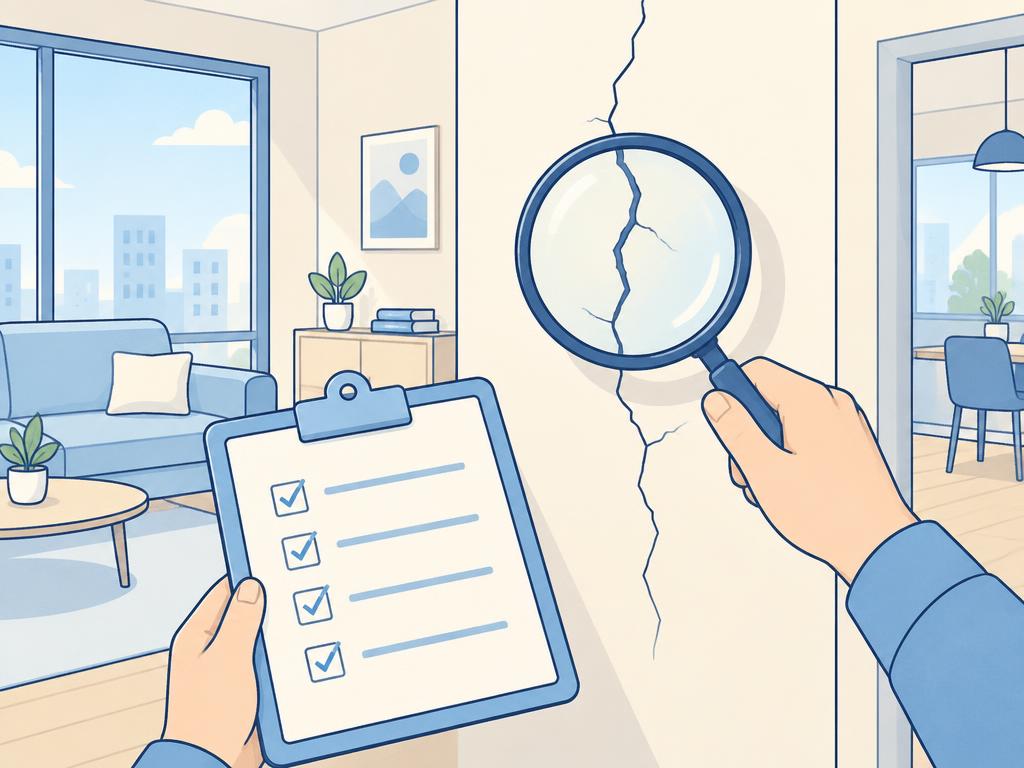
Snagging Dubai is the practice of inspecting a newly built unit for defects before you formally accept handover from the developer. It covers finishes, fittings, MEP (mechanical, electrical, plumbing) systems and common areas. Professional snagging inspection cost typically runs from a few hundred to around AED 1,500–2,500 for an apartment, and most Dubai developers owe a defects liability period (commonly 12 months) during which they must fix issues raised, including on units that are also being financed with a handover mortgage.
What snagging means and why it matters at handover
Snagging Dubai refers to the formal inspection a buyer carries out at or just before handover, checking the unit against the developer's specifications and general build quality standards. The goal is to catch issues — cracked tiles, paint defects, misaligned doors, non-functioning AC, plumbing leaks — before you sign the handover acceptance form, because accepting handover can limit your leverage to get things fixed later. This matters whether you are paying cash or arranging a handover mortgage Dubai, since banks will typically want the unit in a mortgageable, habitable condition before releasing the final disbursement.
Snagging sits alongside, but is distinct from, the administrative steps of handover: title deed issuance, final payment settlement, and (if financed) mortgage registration. You can and should snag the unit even if your mortgage has not yet completed, since the developer's defects obligations are tied to handover, not to your financing timeline.
The handover checklist Dubai buyers should use
A thorough handover checklist Dubai inspection typically covers the following areas, room by room and for the unit as a whole:
- Walls, ceilings and flooring: cracks, uneven paint, loose or chipped tiles.
- Doors and windows: alignment, locks, seals, glass scratches, smooth operation.
- Electrical: all sockets, switches, light fittings and the distribution board tested and labelled.
- Plumbing: water pressure, drainage, leaks under sinks, hot water function, no cross-connections.
- Air conditioning (MEP): cooling performance in every room, thermostat function, condensate drainage.
- Kitchen and bathroom fittings: cabinetry alignment, countertop finish, sealant, appliance functionality where included.
- Balconies and external areas: drainage, railings, glass balustrades, waterproofing signs.
- Common areas and building systems where relevant: lifts, parking allocation, access cards, fire safety signage.
- Documentation: handover letter, warranty booklet, keys/fobs, and confirmation of utility connection readiness (DEWA/SEWA).
| Unit type | Typical snagging inspection cost | Typical duration |
|---|---|---|
| Studio/1-bed apartment | 600 – 1,200 | 1–2 hours |
| 2–3 bed apartment | 900 – 1,800 | 2–3 hours |
| Townhouse/villa | 1,500 – 2,500+ | 3–5 hours |
Defects liability period UAE: what developers owe you
Under standard Dubai off-plan sale contracts, developers generally commit to a defects liability period (DLP), commonly around 12 months from handover, during which they are obliged to repair defects you report that are not due to normal wear and tear or buyer-caused damage. The exact duration and scope of the defects liability period UAE developers offer is set out in your SPA, so it is worth reading that clause carefully rather than assuming a standard term applies — DLP length and coverage can vary by developer and project.
Raising snags promptly and in writing (ideally through the developer's official snagging/handover portal or form) creates a paper trail that supports your DLP claims later. If you are also financing the purchase, keep your lender's mortgage preapproval team informed of any handover delays caused by unresolved snags, since significant outstanding defects can occasionally affect valuation or disbursement timing.
Snagging and your mortgage timeline
Snagging typically happens in parallel with the final administrative steps of handover: settlement of the remaining balance, Oqood Dubai conversion to a full title deed, and — if you are financing — bank valuation and mortgage registration at 0.25% of the loan amount. Most banks only finance off-plan units at completion or handover for the majority of projects, so your snagging inspection and your mortgage approval are often happening in the same window. Booking a professional snagging company early in that window, rather than on the handover day itself, gives you time to have the developer address major items before accepting the unit.
| Step | Typical timing | Who is involved |
|---|---|---|
| Developer handover notice issued | 4–8 weeks before handover | Developer |
| Mortgage preapproval refreshed/finalised | 2–4 weeks before handover | Buyer, bank |
| Professional snagging inspection | Just before or at handover | Buyer, snagging company |
| Snag list submitted to developer | Same day as inspection | Buyer, developer |
| Title deed issued, final payment settled | At handover | DLD, developer, buyer |
| Mortgage disbursement and registration | Days to weeks after title deed | Bank, DLD |
DIY vs professional snagging
You can snag a unit yourself using a checklist and your phone camera, and many buyers do a first pass this way. A professional snagging company typically adds thermal imaging (to spot hidden damp or insulation gaps), moisture meters, and a formal, developer-friendly report format that can carry more weight when disputing defects. For higher-value units or villas with more complex MEP systems, the extra snagging inspection cost is often worth it relative to the overall transaction size, especially alongside DLD costs already covered in our DLD fees Dubai guide.
FAQs
Run the numbers on your own case
Free Lenddoo tools and guides related to this article.